
The Science Behind Tire Tread Patterns: Which is Best?

Table of Contents
ToggleUnderstanding Tire Tread: When to Replace and Why It Matters
Why Knowing When to Replace Tires is Key
Tires play a big role in your vehicle’s safety, performance, and fuel efficiency. Ignoring when to replace tires can lead to increased braking distances, hydroplaning, reduction in grip, and dangerous driving conditions. Whether it’s when to replace winter tires for snowy roads or when to replace summer tires for hot pavement, staying informed can save you from costly mistakes.
What is Tread Depth and How is it Measured?
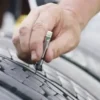
Tread depth is measured in 32nds of an inch, with new tires starting between 10/32″ and 12/32″. The easiest way to check tread depth is with a tread depth gauge, but if you don’t have one, the (American) penny test is a great alternative: insert a penny into the tread with Lincoln’s head facing down—if you can see the top of his head, your tires are too worn. Alternatively, your mechanic or tire expert should be able to give you this information.
When to Replace Winter Tires
Winter tires are designed with deeper treads to grip snow and ice. However, once they wear below 6/32″, they lose effectiveness. At 4/32″, they are no longer safe for winter conditions.
Key Indicators:
- New winter tires have 10/32″–12/32″ tread depth.
- At 6/32″, their performance declines significantly.
- Below 4/32″, winter tires should be replaced immediately.
Need new winter tires? Searching for tires near me to find the best local options, including tire sales and tire clearance events. Honestly though, you’re already here, so start shopping!
When to Replace All-Season Tires
All-season tires balance performance across different conditions, but they still wear out. Below 4/32″, they lose wet traction and hydroplaning becomes a serious risk.
Replacement Guidelines:
- New all-season tires start with 10/32″ tread depth.
- At 6/32″, performance starts declining.
- At 4/32″, wet traction is significantly reduced.
- At 3/32″, they are unsafe for rain and light snow.
If your all-season tires are below 4/32″, it’s time to replace them. Check out tire sales to get the best deals.
When to Replace Summer Tires
Summer tires are built for dry and wet traction but wear faster than winter or all-season tires. At 4/32″, their wet grip starts to decline. Below 3/32″, they are unsafe.
Replacement Guide:
- New summer tires have 9/32″–10/32″ tread depth.
- At 6/32″, they still perform well.
- At 4/32″, wet traction is compromised.
- Below 3/32″, replace immediately.
Don’t wait until summer tires become dangerous—check out tire clearance events for great deals.
Legal Minimum vs. Safe Tread Depth
The legal minimum tread depth is 2/32″, but that doesn’t mean it’s safe. At this point, tires are bald and provide almost no traction.
Safe Replacement Levels:
- Winter tires: Replace at 6/32″
- All-season tires: Replace at 4/32″
- Summer tires: Replace at 3/32″
Looking for the best prices? XYZTires offers the best pricing without waiting for a tire sale.
Where to Buy Replacement Tires
If you’re wondering where to get quality replacement tires, start with local options. Searching for tires near me will help you find trusted retailers offering great deals.
At XYZTires, we provide expert recommendations and unbeatable prices, without seasonal tire clearance events.
Final Thoughts
Understanding when to replace tires ensures better safety, performance, and fuel efficiency. Whether it’s when to replace winter tires before icy roads hit or when to replace summer tires for better wet traction, proactive replacements save money and lives.
Don’t wait until it’s too late—if your tread is wearing thin, visit Shop now with expert service and great pricing on replacements. Stay safe and drive with confidence!
Recent Comments
Posts Widget


Need Help?
Monday – Friday: 9:00-17:00
Find answers to your questions and get in touch with our support team. We are here to assist you with any inquiries or concerns.
© 2025 xyztires.com. All rights reserved