
Why Winter Tires Matter in Ontario & Quebec
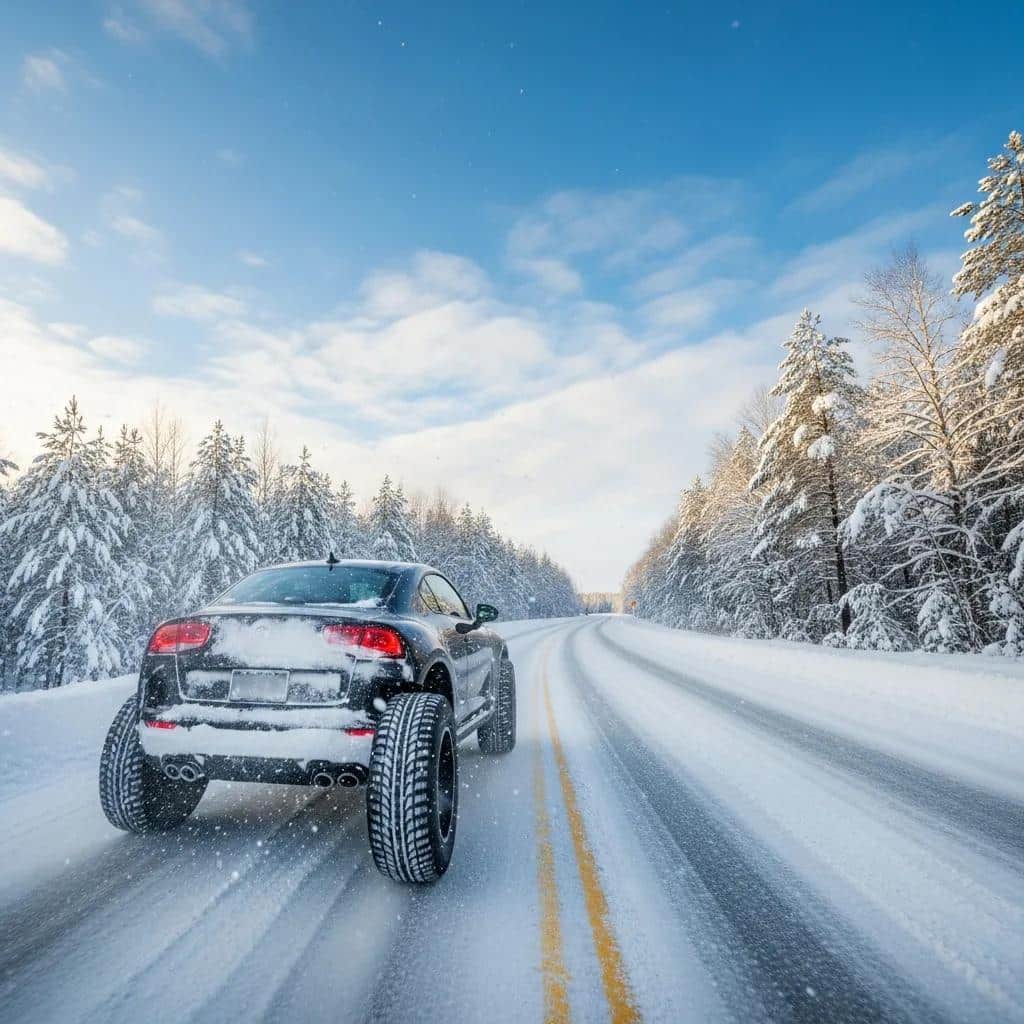
Why Winter Tires Matter in Ontario & Quebec: Essential Guide to Safety, Laws, and Recommendations
Winter tires are specifically designed to perform optimally in cold weather conditions, providing enhanced safety and control on icy and snowy roads. This comprehensive guide will explore the importance of winter tires in Ontario and Quebec, including the legal requirements, safety benefits, and recommendations for choosing the right tires. Many drivers underestimate the risks associated with winter driving, leading to accidents and vehicle damage. By understanding the critical role of winter tires, you can make informed decisions that enhance your safety on the road. This article will cover Quebec’s winter tire laws, Ontario’s recommendations, the safety advantages of winter tires, tips for selecting the best tires, essential winter driving tips, and maintenance practices for longevity.
What Are the Quebec Winter Tire Laws and Their Requirements?

Quebec has specific laws regarding winter tires that are crucial for ensuring road safety during the winter months. These laws mandate the use of winter tires from December 1 to March 15, requiring all vehicles registered in Quebec to be equipped with tires that meet specific performance standards.
When Are Winter Tires Mandatory in Quebec?
In Quebec, winter tires are mandatory from December 1 to March 15. This law applies to most vehicles, including passenger cars, trucks, and SUVs, but excludes motorcycles and trailers. The requirement ensures that all drivers are equipped to handle the challenging winter conditions, significantly reducing the risk of accidents.
What Is the 3PMSF Symbol and Why Is It Important?
The 3PMSF () symbol indicates that a tire meets specific performance criteria in snow conditions. This symbol is essential for consumers as it signifies that the tire has been tested and approved for winter use, ensuring better traction and safety on snow-covered roads.
What Are the Fines and Penalties for Non-Compliance in Quebec?
Failure to comply with Quebec’s winter tire laws can result in fines. Drivers caught without winter tires during the mandatory period may face fines ranging from $200 to $300. However, there are no demerit points associated with this offense. These penalties emphasize the importance of adhering to the law for both safety and legal compliance.
What Is the Recommended Minimum Tread Depth for Quebec Winter Tires?
The recommended minimum tread depth for winter tires in Quebec is 3.5 mm. Adequate tread depth is crucial for maintaining traction on snow and ice, and drivers should regularly check their tire tread to ensure optimal performance. Tires with insufficient tread depth can compromise safety and increase the likelihood of accidents.
What Are Ontario's Winter Tire Recommendations and Benefits?

Ontario does not mandate the use of winter tires, but they are highly recommended for enhanced safety during the winter months. The province encourages drivers to equip their vehicles with winter tires to improve handling and reduce stopping distances on icy roads.
Are Winter Tires Mandatory in Ontario?
While winter tires are not legally required in Ontario, they are strongly recommended by safety organizations and the provincial government. Drivers are advised to consider winter tires as a proactive measure to enhance safety and performance during the winter season.
How Do Winter Tires Provide Insurance Discounts in Ontario?
Many insurance companies in Ontario offer discounts to drivers who use winter tires. These discounts can range from 5% to 15%, depending on the insurer. By equipping your vehicle with winter tires, you not only improve safety but can also save money on your insurance premiums.
What Are the Regulations for Studded Tires in Ontario?
Studded tires are permitted in Ontario but are subject to specific regulations. They can be used from October 1 to April 30, and drivers must ensure that their tires meet the province’s standards for studded tires. It’s essential to check local regulations, as some municipalities may have additional restrictions.
Why Are Winter Tires Safer Than All-Season or All-Weather Tires in Canadian Winters?
Winter tires are specifically engineered to perform better in cold weather conditions compared to all-season or all-weather tires. Their unique design and materials provide superior traction, handling, and braking performance on snow and ice.
Research further supports the significant safety advantages of winter tires, particularly in reducing accident fatalities during cold weather conditions.
Winter Tire Safety Benefits & Accident Reduction Policies
The study considers the use of Winter tyres, tread depth requirements, tyre inflation pressure maintenance and tyre ageing effects and damages. An assessment has been made of the tyre safety performance, current use of tyre and consumer awareness, tyre related accident statistics and existing regulations for the different tyre aspects (including TPMS). Promoting the use of Winter tyres, or extending the enforcement of the use of Winter tyres may not be cost effective as a policy option, however the estimated safety benefit is significant (i.e. 3 % reduction in the number of fatalities during winter conditions).
Tire use and road safety–background to policy recommendations for new EU measures, S Jansen, 2015
How Does Rubber Compound Flexibility Improve Cold Weather Grip?
The rubber compounds used in winter tires remain flexible at lower temperatures, allowing for better grip on cold, icy surfaces. This flexibility enhances the tire’s ability to conform to the road, providing improved traction and stability during winter driving conditions.
How Do Advanced Tread Designs Reduce Braking Distances on Snow and Ice?
Winter tires feature advanced tread designs with deeper grooves and unique patterns that enhance grip on snow and ice. These designs help to channel snow and slush away from the tire, reducing the risk of hydroplaning and improving braking distances significantly compared to all-season tires.
How to Choose the Best Winter Tires for Ontario and Quebec Conditions?
Selecting the right winter tires is crucial for ensuring safety and performance during the winter months. Consider factors such as tire type, brand, and specific features when making your choice.
What Are the Differences Between 3PMSF Certified, Studded, and All-Weather Tires?
| Tire Type | Features | Best Use |
|---|---|---|
| 3PMSF Certified | Designed for optimal performance in snow; flexible rubber compounds | Best for heavy snow and icy conditions |
| Studded Tires | Equipped with metal studs for enhanced grip on ice | Ideal for extreme winter conditions |
| All-Weather Tires | Versatile for various conditions but not specialized for winter | Suitable for mild winters with occasional snow |
Which Winter Tire Brands Are Recommended for Canadian Winters?
- Michelin: Known for their superior performance and durability.
- Bridgestone: Offers a wide range of winter tires with excellent traction.
- Goodyear: Renowned for their innovative tread designs and reliability.
What Are Essential Winter Driving Tips for Ontario and Quebec Drivers?
Driving in winter conditions requires specific skills and precautions to ensure safety on the road. Here are some essential tips for winter driving.
What Pre-Trip Vehicle Checks Should Drivers Perform in Winter?
- Tire Condition: Ensure winter tires are properly inflated and have adequate tread depth.
- Battery Health: Cold weather can affect battery performance; check for any issues.
- Fluid Levels: Ensure that antifreeze, windshield washer fluid, and oil levels are sufficient.
What Are Safe Driving Techniques on Snow and Ice?
- Slow Down: Reduce speed to maintain control on slippery surfaces.
- Increase Following Distance: Allow more space between your vehicle and the one in front to account for longer stopping distances.
- Avoid Sudden Movements: Make gradual steering and braking movements to prevent skidding.
How Should You Maintain Your Winter Tires for Longevity and Optimal Performance?
Proper maintenance of winter tires is essential for ensuring their longevity and performance throughout the winter season.
How Often Should You Check Tread Depth and Tire Pressure?
Drivers should check tire pressure and tread depth at least once a month during the winter months. Maintaining the correct tire pressure is crucial for optimal performance, as cold temperatures can cause tire pressure to drop. Additionally, ensuring that tread depth is above the recommended minimum of 3.5 mm will help maintain traction on snow and ice.
What Are Best Practices for Off-Season Winter Tire Storage?
- Clean Tires: Remove any dirt or debris before storage.
- Store in a Cool, Dry Place: Keep tires away from direct sunlight and heat sources.
- Store Tires Vertically: If storing tires without rims, store them vertically to prevent deformation; if storing tires mounted on rims, stacking horizontally is acceptable.
Recent Comments




Need Help?
Monday – Friday: 9:00-17:00
Find answers to your questions and get in touch with our support team. We are here to assist you with any inquiries or concerns.
© 2026 xyztires.com. All rights reserved