Author: admin

  • All-Terrain Tire Guide: Off-Road & On-Road Performance

    All-Terrain Tire Guide: Off-Road & On-Road Performance

    All Terrain Tires Guide: Choosing the Best Truck Tires for Off Road

    All terrain tires are designed to provide a versatile driving experience, balancing performance on both off road and on road terrains. This comprehensive guide will explore the features, benefits, and selection criteria for all terrain tires, helping you make an informed decision for your vehicle. It’s not easy choosing off road tires that can handle diverse conditions, from rugged trails to smooth highways. All terrain tires offer a solution by combining the best attributes of various tire types, ensuring safety and performance across different environments. In this article, we will cover the definition of all terrain tires, key factors to consider when choosing them, the best models available in 2024, maintenance tips for longevity, and the technology that enhances their performance.

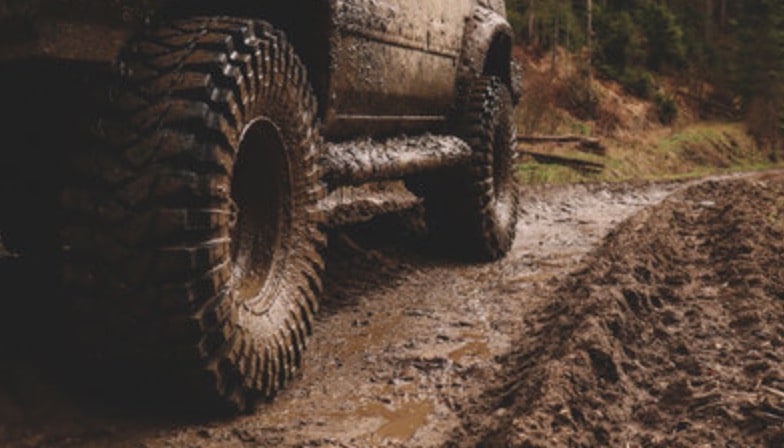
    Truck driving through mud using All Terrain tires

    What Are All Terrain Tires and How Do They Balance Off Road and On Road Performance?

    All terrain tires are specifically engineered to perform well in a variety of driving conditions, including both off road and on road environments. They feature a tread design that provides traction on loose surfaces while maintaining stability and comfort on paved roads. This dual functionality makes them an ideal choice for drivers who frequently transition between different terrains. The unique construction of all terrain tires allows for enhanced durability and performance, ensuring that they can withstand the rigors of off road driving while still providing a smooth ride on highways.

    Defining All Terrain Tires: Features and Benefits

    All terrain tires come with several key features that enhance their versatility. These include:

    • Tread Design: The tread patterns are designed with larger voids and more aggressive lugs, providing better grip on loose surfaces like mud and gravel.
    • Durability: Constructed with tougher materials, all terrain tires resist punctures and abrasions, making them suitable for rugged terrains.
    • Comfort: Despite their off road capabilities, these off road tires are designed to minimize road noise and vibrations, ensuring a comfortable ride on highways.

    The benefits of all terrain tires extend beyond just performance; they also offer peace of mind for drivers who venture into unpredictable environments.

    How Do All Terrain Tires Compare to Mud Terrain and Rugged Terrain Tires?

    When comparing all terrain tires to mud terrain and rugged terrain tires, several differences emerge.

    Tire Type Tread Design Characteristics Best Use Case Performance on Pavement
    All Terrain Tires Moderate lugs, versatile Mixed driving conditions Good
    Mud Terrain Tires Deep, aggressive lugs Extreme off road conditions Poor
    Rugged Terrain Tires Sturdy, reinforced design Heavy duty off road use Fair

    All terrain tires strike a balance, offering decent performance in off road conditions while still being suitable for everyday driving, unlike mud terrain tires, which excel in extreme off road scenarios but compromise on road comfort.

    How to Choose the Right All Terrain Tires: Key Factors and Buying Guide

    What Driving Needs and Terrain Should Influence Your Tire Choice?

    Your driving habits and the types of terrain you frequently encounter should significantly influence your tire selection. For instance:

    • Off Road Enthusiasts: If you often drive on rocky trails or muddy paths, prioritize off road tires with deeper treads and reinforced sidewalls for better traction and durability.
    • Daily Commuters: If your primary use is on highways with occasional off road excursions, look for tires that offer a quieter ride and better fuel efficiency.

    Understanding your driving needs will help you choose tires that enhance your vehicle’s performance in the conditions you encounter most.

    How Do Vehicle Type, Load Rating, and Speed Rating Affect Tire Selection?

    When choosing all terrain tires, it’s essential to consider your vehicle type, load rating, and speed rating.

    1. Vehicle Type: Ensure the tires are compatible with your vehicle’s specifications, whether it’s a truck, SUV, or crossover.
    2. Load Rating: This indicates the maximum weight the tire can safely carry. Choose off road tires with a load rating that meets or exceeds your vehicle’s requirements.
    3. Speed Rating: This rating reflects the maximum speed the tire can handle safely. Select tires that match your driving style and speed needs.

    These factors ensure that your tires not only fit your vehicle but also perform optimally under various conditions.

    Which Are the Best All Terrain Tires for Trucks and SUVs in 2024?

    Top All Terrain Tire Models: BFGoodrich, Falken, Toyo, and More

    Some of the top rated all terrain tires include:

    1. BFGoodrich All Terrain T/A KO2: Known for its rugged durability and excellent traction in both wet and dry conditions.
    2. Falken Wildpeak A/T3W: Offers a balanced performance with a focus on off road capability and on road comfort.
    3. Toyo Open Country A/T III: Renowned for its long tread life and superior handling in various terrains.

    These models have received positive reviews for their performance metrics, making them popular choices among truck and SUV owners.

    How Do These Tires Perform in Wet, Dry, Snow, and Off Road Conditions?

    The performance of all terrain tires can vary significantly based on the conditions.

    Tire Model Wet Performance Dry Performance Snow Performance Off Road Performance
    BFGoodrich All Terrain T/A KO2 Excellent Very Good Good Excellent
    Falken Wildpeak A/T3W Good Excellent Very Good Good
    Toyo Open Country A/T III Very Good Good Excellent Very Good

    This table illustrates how each tire model excels in different conditions, helping you make an informed choice based on your typical driving environment.

    What Are the Maintenance Tips to Maximize All Terrain Tire Longevity and Performance?

    How to Properly Rotate, Inspect, and Maintain Tire Pressure

    Regular maintenance practices include:

    1. Tire Rotation: Rotate your tires every 5,000 to 7,500 miles to ensure even wear.
    2. Inspection: Regularly check for signs of damage, such as cuts or punctures, and monitor tread depth.
    3. Tire Pressure: Maintain the recommended tire pressure to enhance fuel efficiency and tire longevity.

    These practices will help ensure that your all terrain tires perform optimally throughout their lifespan.

    When Should You Replace All Terrain Tires Based on Tread Life and Wear?

    Knowing when to replace your all terrain tires is essential for safety and performance.

    • Tread Wear Indicators: Most tires have built in indicators that show when the tread is worn down to a level that requires replacement.
    • Lifespan: Generally, all terrain tires should be replaced every 40,000 to 60,000 miles, depending on usage and maintenance.

    Monitoring these factors will help you maintain safe driving conditions and optimal performance.

    How Does All Terrain Tire Technology Impact Performance and Comfort?

    What Role Do Tread Patterns, Sidewall Construction, and Siping Play?

    The design elements of all terrain tires contribute to their effectiveness:

    • Tread Patterns: The arrangement of lugs and voids affects traction and handling. More aggressive patterns provide better grip on loose surfaces.
    • Sidewall Construction: Reinforced sidewalls enhance durability and resistance to punctures, which is crucial for off road driving.
    • Siping: Small slits in the tread improve grip on wet surfaces by increasing the number of biting edges.

    These technological advancements ensure that all terrain tires can handle a variety of driving conditions while providing comfort and safety.

    How Do Ratings Like 3PMSF and Load Index Affect Tire Capabilities?

    • 3PMSF Rating: Indicates that the tire meets specific snow traction performance criteria, making it suitable for winter conditions.
    • Load Index: Reflects the maximum load a tire can support. Choosing tires with the appropriate load index ensures safety and performance under heavy loads.

    Interestingly, while the 3PMSF rating is a key indicator for winter performance, some studies offer a different perspective on how various tire designations compare in snow traction.

    M+S Tires: Snow Traction Performance

    M+S tires have better snow traction than those that are specifically designed as winter tires (3PMSF)

    Ten surprising findings about winter tires: It is not just about snow, 2016

    Understanding these ratings helps drivers select tires that meet their specific needs and driving conditions.

  • Wheel Alignment Importance: Handling & Tire Wear

    Wheel Alignment Importance: Handling & Tire Wear

    Wheel Alignment: How Proper Alignment Improves Handling and Prevents Tire Wear

    Proper wheel alignment is critical for maintaining vehicle performance, safety, and tire longevity. Misalignment can lead to uneven tire wear, compromised handling, and increased fuel consumption. This article looks into the significance of wheel alignment, exploring its impact on vehicle handling and tire wear, while also addressing common signs of misalignment and the benefits of regular alignment checks. By understanding these aspects, vehicle owners can make informed decisions to enhance their driving experience and prolong the life of their tires.

    Wheel alignment that explains your tire wear patterns. Your car alignment helps provide stability on the road.

    What Are the Key Signs of Bad Wheel Alignment?

    Identifying the signs of bad wheel alignment is essential for maintaining vehicle safety and performance. Misalignment can manifest in various ways, and recognizing these symptoms early can prevent further damage and costly repairs.

    How Does Vehicle Pulling Indicate Misalignment?

    One of the most noticeable signs of misalignment is when a vehicle pulls to one side while driving. This pulling can occur due to uneven angles of the wheels, causing the vehicle to drift. Ignoring this symptom can lead to increased tire wear and reduced control over the vehicle, making it crucial to address the issue promptly.

    The importance of detecting specific alignment issues, such as toe angle misalignment, is highlighted by ongoing efforts to develop real-time detection systems for enhanced driving stability.

    Real-time Detection of Toe Angle Misalignment for Stable Driving

    Wheel alignment of a vehicle composed of toe, camber and caster is essential for stable driving. Among them, the toe angle can be easily adjusted in many commercial vehicles when misaligned. However, there have been many difficulties for a driver to directly detect the misalignment of the toe angle. To solve this problem, this paper proposes a novel system that detects misaligned toe angle in real-time by utilizing the lateral tire force and tire aligning moment.

    Online Detection of Toe Angle Misalignment Based on Lateral Tire Force and Tire Aligning Moment, H Lee, 2023

    What Does Steering Wheel Vibration Reveal About Alignment?

    Steering wheel vibration is another indicator of potential alignment issues. If the steering wheel shakes or vibrates while driving, it may suggest that the wheels are not aligned correctly. This vibration can be caused by uneven tire wear, unbalanced tires, or misaligned suspension components, all of which can compromise vehicle safety and handling.

    How Does Wheel Alignment Affect Vehicle Handling and Safety?

    Proper wheel alignment plays a significant role in enhancing vehicle handling and safety. When the wheels are aligned correctly, the vehicle responds better to steering inputs, providing a smoother and more controlled driving experience.

    In What Ways Does Proper Alignment Improve Steering Response?

    Correct alignment ensures that the wheels are positioned at the optimal angles, which improves steering response. This precision allows for better handling during turns and enhances overall driving confidence. A well-aligned vehicle will feel more stable and predictable, especially at higher speeds.

    Research further emphasizes how specific alignment parameters, like camber and toe, are crucial for optimizing a vehicle’s handling characteristics.

    Camber & Toe Influence on Vehicle Handling

    All wheel alignment angles and parameters are thus needed to be optimized [12] alignment of the car it is difficult to adjust castor or SAI hence we concentrated only on camber and toe

    To study the influence of variation in camber and toe on handling of passenger vehicle during cornering, S Palanivelu, 2019

    How Does Alignment Contribute to Overall Vehicle Stability and Safety?

    Alignment also contributes to overall vehicle stability and safety. When the wheels are aligned, the vehicle maintains better contact with the road, reducing the risk of skidding or losing control. This stability is particularly important in adverse weather conditions, where proper handling can help prevent accidents.

    What Are the Causes and Patterns of Uneven Tire Wear Due to Misalignment?

    Understanding the causes and patterns of uneven tire wear is essential for addressing alignment issues effectively. Misalignment can lead to specific wear patterns on tires, indicating the need for immediate attention.

    Which Tire Wear Patterns Signal Poor Wheel Alignment?

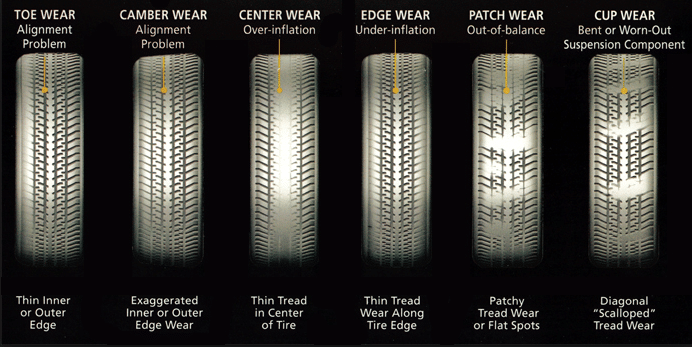
    Common tire wear patterns associated with misalignment include excessive wear on one edge of the tire and feathering. Cupping and scalloping are typically caused by issues with suspension components rather than alignment alone. These patterns can significantly reduce tire lifespan and performance. Regular inspections can help identify these issues early, allowing for timely alignment adjustments.

    How Do Suspension and Steering Systems Influence Tire Wear?

    The suspension and steering systems play a critical role in maintaining proper alignment. Worn or damaged components can lead to misalignment, resulting in uneven tire wear. Regular maintenance of these systems is essential to ensure that the vehicle remains aligned and that tires wear evenly.

    What Are the Benefits of Proper Wheel Alignment Beyond Tire Wear?

    Maintaining proper wheel alignment offers several benefits beyond just preventing tire wear. These advantages can enhance overall vehicle performance and reduce long-term costs.

    How Does Alignment Improve Fuel Efficiency and Reduce Costs?

    Proper alignment can lead to improved fuel efficiency. When the wheels are aligned correctly, the vehicle experiences less rolling resistance, which can result in better gas mileage. This efficiency not only saves money at the pump but also reduces the overall environmental impact of driving.

    Beyond immediate performance, studies consistently show that proper wheel alignment offers significant long-term financial benefits, including reduced tire expenditure and improved fuel economy.

    Benefits of Wheel Alignment: Tire Savings & Fuel Efficiency

    the importance and benefits of wheel alignment and wheel balancing but also wheel alignment and wheel balancing, there will be a huge saving in tire expenditure, fuel efficiency, and

    Automobile Wheel Alignment and Wheel Balancing, 2025

    In What Ways Does Wheel Alignment Extend Suspension and Steering Component Life?

    Regular alignment checks can extend the life of suspension and steering components. When these systems are properly aligned, they experience less stress and wear, leading to fewer repairs and replacements over time. This proactive approach can save vehicle owners significant costs in the long run.

    When and Why Should You Schedule a Wheel Alignment?

    Scheduling regular car alignment is important for maintaining vehicle performance and safety. Knowing when to schedule these checks can help prevent alignment-related issues.  Always be on the lookout for unusual tire wear patterns, these will affect your car alignment.

    What Are Common Triggers for Alignment Checks?

    Several factors can trigger the need for an alignment check, including hitting a pothole, getting new tires, or noticing changes in vehicle handling. Regular inspections, especially after significant driving events, can help ensure that alignment remains optimal.  All of these are the result of tire wear patterns and noticing how to spot them could save you.

    How Often Should Wheel Alignment Be Performed?

    It is generally recommended to have a wheel alignment performed every 20,000 to 30,000 kilometers or whenever new tires are installed. However, vehicles that frequently encounter rough roads or heavy loads may require more frequent checks to maintain proper alignment.

    How Does Car Alignment Impact Advanced Driver-Assistance Systems?

    With the rise of advanced driver-assistance systems (ADAS), proper wheel alignment has become even more critical. These systems rely on precise vehicle positioning to function effectively.

    Why Is Precise Alignment Critical for ADAS Calibration?

    Precise wheel alignment is essential for the calibration of ADAS features, such as lane departure warnings and adaptive cruise control. Misalignment can lead to inaccurate sensor readings, compromising the effectiveness of these safety systems.

    What Are the Latest Trends in Alignment Equipment for Modern Vehicles?

    Modern alignment equipment has evolved to accommodate the complexities of today’s vehicles, including those equipped with ADAS. Advanced alignment systems utilize laser technology and computer diagnostics to ensure accurate measurements and adjustments, enhancing the overall alignment process.

    Alignment Type Description Benefits
    Camber Adjustment Adjusts the angle of the wheels relative to the road Improves tire contact and handling
    Toe Alignment Ensures wheels are parallel to each other Enhances steering response and stability
    Caster Adjustment Affects steering wheel return and stability Improves vehicle control and handling

    This table highlights the different types of wheel alignment adjustments and their respective benefits, emphasizing the importance of maintaining proper alignment for optimal vehicle performance.

    In conclusion, understanding the importance of wheel alignment is essential for every vehicle owner. By recognizing the signs of misalignment, scheduling regular checks, and appreciating the benefits of proper alignment, drivers can enhance their vehicle’s handling, safety, and tire longevity. Investing in wheel alignment not only improves driving experience but also contributes to long-term cost savings and vehicle performance.

  • Why Winter Tires Matter in Ontario & Quebec

    Why Winter Tires Matter in Ontario & Quebec

    Why Winter Tires Matter in Ontario & Quebec: Essential Guide to Safety, Laws, and Recommendations

    Winter tires are specifically designed to perform optimally in cold weather conditions, providing enhanced safety and control on icy and snowy roads. This comprehensive guide will explore the importance of winter tires in Ontario and Quebec, including the legal requirements, safety benefits, and recommendations for choosing the right tires. Many drivers underestimate the risks associated with winter driving, leading to accidents and vehicle damage. By understanding the critical role of winter tires, you can make informed decisions that enhance your safety on the road. This article will cover Quebec’s winter tire laws, Ontario’s recommendations, the safety advantages of winter tires, tips for selecting the best tires, essential winter driving tips, and maintenance practices for longevity.

    What Are the Quebec Winter Tire Laws and Their Requirements?Car with winter tires Ontario or winter tires Quebec, emphasizing winter driving safety

    Quebec has specific laws regarding winter tires that are crucial for ensuring road safety during the winter months. These laws mandate the use of winter tires from December 1 to March 15, requiring all vehicles registered in Quebec to be equipped with tires that meet specific performance standards.

    When Are Winter Tires Mandatory in Quebec?

    In Quebec, winter tires are mandatory from December 1 to March 15. This law applies to most vehicles, including passenger cars, trucks, and SUVs, but excludes motorcycles and trailers. The requirement ensures that all drivers are equipped to handle the challenging winter conditions, significantly reducing the risk of accidents.

    What Is the 3PMSF Symbol and Why Is It Important?

    The 3PMSF () symbol indicates that a tire meets specific performance criteria in snow conditions. This symbol is essential for consumers as it signifies that the tire has been tested and approved for winter use, ensuring better traction and safety on snow-covered roads.

    What Are the Fines and Penalties for Non-Compliance in Quebec?

    Failure to comply with Quebec’s winter tire laws can result in fines. Drivers caught without winter tires during the mandatory period may face fines ranging from $200 to $300. However, there are no demerit points associated with this offense. These penalties emphasize the importance of adhering to the law for both safety and legal compliance.

    What Is the Recommended Minimum Tread Depth for Quebec Winter Tires?

    The recommended minimum tread depth for winter tires in Quebec is 3.5 mm. Adequate tread depth is crucial for maintaining traction on snow and ice, and drivers should regularly check their tire tread to ensure optimal performance. Tires with insufficient tread depth can compromise safety and increase the likelihood of accidents.

    What Are Ontario’s Winter Tire Recommendations and Benefits?

    Ontario does not mandate the use of winter tires, but they are highly recommended for enhanced safety during the winter months. The province encourages drivers to equip their vehicles with winter tires to improve handling and reduce stopping distances on icy roads.

    Are Winter Tires Mandatory in Ontario?

    While winter tires are not legally required in Ontario, they are strongly recommended by safety organizations and the provincial government. Drivers are advised to consider winter tires as a proactive measure to enhance safety and performance during the winter season.

    How Do Winter Tires Provide Insurance Discounts in Ontario?

    Many insurance companies in Ontario offer discounts to drivers who use winter tires. These discounts can range from 5% to 15%, depending on the insurer. By equipping your vehicle with winter tires, you not only improve safety but can also save money on your insurance premiums.

    What Are the Regulations for Studded Tires in Ontario?

    Studded tires are permitted in Ontario but are subject to specific regulations. They can be used from October 1 to April 30, and drivers must ensure that their tires meet the province’s standards for studded tires. It’s essential to check local regulations, as some municipalities may have additional restrictions.

    Why Are Winter Tires Safer Than All-Season or All-Weather Tires in Canadian Winters?

    Winter tires are specifically engineered to perform better in cold weather conditions compared to all-season or all-weather tires. Their unique design and materials provide superior traction, handling, and braking performance on snow and ice.

    Research further supports the significant safety advantages of winter tires, particularly in reducing accident fatalities during cold weather conditions.

    Winter Tire Safety Benefits & Accident Reduction Policies

    The study considers the use of Winter tyres, tread depth requirements, tyre inflation pressure maintenance and tyre ageing effects and damages. An assessment has been made of the tyre safety performance, current use of tyre and consumer awareness, tyre related accident statistics and existing regulations for the different tyre aspects (including TPMS). Promoting the use of Winter tyres, or extending the enforcement of the use of Winter tyres may not be cost effective as a policy option, however the estimated safety benefit is significant (i.e. 3 % reduction in the number of fatalities during winter conditions).

    Tire use and road safety–background to policy recommendations for new EU measures, S Jansen, 2015

    How Does Rubber Compound Flexibility Improve Cold Weather Grip?

    The rubber compounds used in winter tires remain flexible at lower temperatures, allowing for better grip on cold, icy surfaces. This flexibility enhances the tire’s ability to conform to the road, providing improved traction and stability during winter driving conditions.

    How Do Advanced Tread Designs Reduce Braking Distances on Snow and Ice?

    Winter tires feature advanced tread designs with deeper grooves and unique patterns that enhance grip on snow and ice. These designs help to channel snow and slush away from the tire, reducing the risk of hydroplaning and improving braking distances significantly compared to all-season tires.

    How to Choose the Best Winter Tires for Ontario and Quebec Conditions?

    Selecting the right winter tires is crucial for ensuring safety and performance during the winter months. Consider factors such as tire type, brand, and specific features when making your choice.

    What Are the Differences Between 3PMSF Certified, Studded, and All-Weather Tires?

    Tire Type Features Best Use
    3PMSF Certified Designed for optimal performance in snow; flexible rubber compounds Best for heavy snow and icy conditions
    Studded Tires Equipped with metal studs for enhanced grip on ice Ideal for extreme winter conditions
    All-Weather Tires Versatile for various conditions but not specialized for winter Suitable for mild winters with occasional snow

    Which Winter Tire Brands Are Recommended for Canadian Winters?

    • Michelin: Known for their superior performance and durability.
    • Bridgestone: Offers a wide range of winter tires with excellent traction.
    • Goodyear: Renowned for their innovative tread designs and reliability.

    What Are Essential Winter Driving Tips for Ontario and Quebec Drivers?

    Driving in winter conditions requires specific skills and precautions to ensure safety on the road. Here are some essential tips for winter driving.

    What Pre-Trip Vehicle Checks Should Drivers Perform in Winter?

    1. Tire Condition: Ensure winter tires are properly inflated and have adequate tread depth.
    2. Battery Health: Cold weather can affect battery performance; check for any issues.
    3. Fluid Levels: Ensure that antifreeze, windshield washer fluid, and oil levels are sufficient.

    What Are Safe Driving Techniques on Snow and Ice?

    1. Slow Down: Reduce speed to maintain control on slippery surfaces.
    2. Increase Following Distance: Allow more space between your vehicle and the one in front to account for longer stopping distances.
    3. Avoid Sudden Movements: Make gradual steering and braking movements to prevent skidding.

    How Should You Maintain Your Winter Tires for Longevity and Optimal Performance?

    Proper maintenance of winter tires is essential for ensuring their longevity and performance throughout the winter season.

    How Often Should You Check Tread Depth and Tire Pressure?

    Drivers should check tire pressure and tread depth at least once a month during the winter months. Maintaining the correct tire pressure is crucial for optimal performance, as cold temperatures can cause tire pressure to drop. Additionally, ensuring that tread depth is above the recommended minimum of 3.5 mm will help maintain traction on snow and ice.

    What Are Best Practices for Off-Season Winter Tire Storage?

    1. Clean Tires: Remove any dirt or debris before storage.
    2. Store in a Cool, Dry Place: Keep tires away from direct sunlight and heat sources.
    3. Store Tires Vertically: If storing tires without rims, store them vertically to prevent deformation; if storing tires mounted on rims, stacking horizontally is acceptable.
  • Advantages of all weather tires

    Advantages of all weather tires

    Advantages of All Weather Tires: Benefits, Performance, and Buying Advice

    Discover the ultimate guide to all weather tires, engineered for superior performance and safety across diverse driving conditions. This comprehensive article delves into the unique features, significant benefits, and crucial comparisons of all weather tires against traditional summer and winter options. For drivers seeking year round versatility without the seasonal tire change hassle, all weather tires present an optimal solution, blending the best attributes for enhanced traction and handling. We’ll explore their core advantages, performance characteristics, and provide expert guidance on selecting the perfect set for your vehicle to ensure maximum safety and efficiency.

    What Are All Weather Tires and How Do They Work?

    All weather tires are specifically engineered to deliver reliable performance across a broad spectrum of weather conditions, including heavy rain, light to moderate snow, and dry pavement. Their innovative design incorporates a unique tread pattern and a specialized rubber compound that maintains flexibility in cold temperatures while resisting wear in warmer conditions. This advanced tire technology ensures superior traction and handling in various environments, making them a truly versatile and convenient option for drivers experiencing fluctuating weather throughout the year.

    What defines all weather tires and their key features?

    The defining characteristics of all weather tires lie in their sophisticated tread patterns, which typically feature a blend of deep circumferential grooves for water evacuation and numerous sipes (small slits) designed to enhance grip on wet and snowy roads. The rubber compounds are formulated to remain pliable even in freezing temperatures, crucial for winter performance, yet durable enough to withstand the demands of summer driving. This dual-purpose functionality allows all weather tires to consistently deliver balanced performance across all seasons, making them a practical and safe choice for a wide range of drivers.

    What is the significance of the 3PMSF symbol for winter performance?

    The 3PMSF (Three-Peak Mountain Snowflake) symbol is a critical certification for all weather tires, indicating that the tire has met stringent performance requirements in severe snow conditions. This symbol assures consumers that the tire has undergone rigorous testing and is proven to provide effective traction and braking on snow and ice. For drivers in regions with harsh winters, the 3PMSF symbol is an indispensable indicator of a tire’s reliable winter capabilities, offering enhanced safety and peace of mind.

    Indeed, the importance of selecting appropriate tires for winter conditions cannot be overstated, as it directly impacts road safety.

    Tire Choice & Road Safety in Winter Conditions

    Tires are one of the most important elements of vehicles in terms of traffic safety. This is even more evident in unfavourable weather conditions on winter roads. The wrong choice of tires quite often becomes the cause of a traffic accident. It is very important to pay attention to the correct use of tires for drivers of trucks and cars.

    INVESTIGATION OF THE USE OF STUDDED WINTER AND UNIVERSAL TIRES IN VEHICLES OF M1 AND N1 CATEGORIES IN ŠIAULIAI, 2023

    What Are the Core Benefits of Using All Weather Tires?

    Family driving in a car with all weather tires on a snowy road, illustrating safety and performance in winter conditions.  Comparison of all weather, winter, and all season tires, showcasing differences in tread patterns and design

    All weather tires offer a compelling array of advantages that make them highly appealing to a diverse group of drivers. These key benefits encompass enhanced year-round safety, significant cost savings, and unparalleled convenience, making them a smart investment for your vehicle.

    The continuous pursuit of enhanced safety in extreme winter conditions has led to the development of conceptual models for advanced winter all-weather tires.

    Winter All-Weather Tire Model for Extreme Safety

    In this regard, a conceptual model of a winter all-weather safe car tire has been developed to ensure the safety of driving a car in extreme winter conditions, increase the reliability of the tire and anti-skid spikes, improve the resource saving of the road network.

    Development of a winter all-weather safety tire model, 2021

    The ongoing development in tire technology continues to prioritize safety, especially in challenging winter environments.

    Developing All-Weather Tires for Winter Safety

    In this regard, a conceptual model of a winter all-weather safe car tire has been developed to ensure the safety of driving a car in extreme winter conditions, increase the reliability of the tire and anti-skid spikes, improve the resource saving of the road network.

    Development of a winter all-weather safety tire model, 2021

    • Year-Round Safety & Performance: All weather tires are meticulously engineered to deliver reliable traction, superior braking, and responsive handling across a wide range of conditions, from dry summer roads to slushy winter streets. This ensures drivers maintain optimal control and confidence, regardless of the season or sudden weather changes.
    • Significant Cost Savings: By eliminating the necessity for seasonal tire changes, all weather tires help drivers save money on installation fees, balancing services, and the often-overlooked cost of storing an extra set of tires. This translates to considerable long-term financial benefits.
    • Unmatched Convenience of Use: With a single set of all weather tires, drivers gain the ultimate peace of mind. There’s no need to schedule appointments for tire swaps or worry about being caught unprepared by unexpected weather. Enjoy consistent, dependable performance throughout the entire year with minimal effort.

    Find Your Perfect All Weather Tires

    Ready to Upgrade Your Driving Experience?

    Explore our top-rated selection of all weather tires designed for ultimate safety and performance.

    For those looking to purchase all weather tires, XYZ Tires offers a diverse range of options that cater to different driving needs and preferences, ensuring you find the ideal fit for your vehicle.

    How Do All Weather Tires Compare to Winter and All Season Tires?

    When evaluating tire options, it’s crucial for drivers to understand the distinct differences between all weather tires, dedicated winter tires, and all season tires. Each category is engineered with specific strengths and limitations, impacting performance, safety, and convenience in various driving conditions.

    To further understand the distinctions, various tire models, including all-season, studless winter, and all-weather types, have undergone rigorous testing for performance and safety.

    All-Weather Tire Performance & Safety Analysis

    A random selection of tire models was tested, consisting of: 108 all-season, 23 studless winter, and 5 all-weather tire models. All test results were blinded for the purpose of confidentiality. Tire rolling resistance coefficients were measured using the single point ISO 28580 standard, and wet grip index values were measured according to UN-ECE Reg.117.

    Environmental and safety performance of commercially-available light-duty vehicle tires in North America, 2009

    What are the performance differences between all weather and winter tires?

    While both offer winter capabilities, all weather tires are designed for balanced performance across all four seasons, including moderate winter conditions. In contrast, dedicated winter tires are specifically engineered for optimal grip and braking in severe snow, ice, and extremely cold temperatures. Winter tires typically feature deeper, more aggressive tread patterns and softer rubber compounds that remain flexible below 7°C (45°F), providing superior traction on frozen surfaces. However, this specialized compound wears faster in warmer conditions. All weather tires, identified by the 3PMSF symbol, bridge this gap by offering significantly better winter performance than all season tires, without the need for seasonal changes, making them a practical compromise for many drivers.

    Specific studies have also focused on the braking performance of all-season tires, comparing their road grip in both winter and summer conditions against dedicated seasonal tires.

    All-Season Tire Braking Performance Comparison

    The purpose of this study was to test the road grip of all-season tires during winter and summer conditions and compare them to regular winter and summer tires. A total of 14 all-season tires were carefully selected, together with a few studless winter tires and summer tires. Braking tests were performed on ice and snow tracks, as well as on dry and wet asphalt.

    All-Season Tires–Investigation of Braking Performance in Summer and Winter Conditions, M Hjort, 2023

    How do all weather tires differ from all season tires in various conditions?

    The distinction between all weather tires and all season tires is crucial for driver safety and performance. All season tires are generally designed for moderate climates, offering acceptable performance in light rain and dry conditions, but often struggle in severe winter weather, lacking the necessary grip on snow and ice. All weather tires, however, are a step above; they are specifically engineered to meet stricter winter performance criteria, as evidenced by their mandatory 3PMSF symbol. This certification means all weather tires provide enhanced traction and braking in snow and slush, making them a superior choice for drivers who regularly encounter winter conditions but prefer the convenience of a single tire set. For those in truly mild climates, all season tires might suffice, but for any significant winter exposure, all weather tires offer a much safer and more reliable solution.

    Further research underscores the varied performance of all-season tires, particularly when compared to dedicated winter and summer options.

    All-Season Tire Braking Performance: Summer vs. Winter Grip

    The purpose of this study was to test the road grip of all-season tires during winter and summer conditions and compare them to regular winter and summer tires. A total of 14 all-season tires were carefully selected, together with a few studless winter tires and summer tires. Braking tests were performed on ice and snow tracks, as well as on dry and wet asphalt. It is clear from the results that the performance spread is very large among the tested all-season tires, where some manufacturers aim for grip on asphalt and others on snow.

    All-Season Tires–Investigation of Braking Performance in Summer and Winter Conditions, M Hjort, 2023

    Which Are the Best All Weather Tires for Snow and All Conditions?

    Selecting the best all weather tire can significantly enhance your driving experience, especially when facing challenging conditions like snow, ice, or heavy rain. Here, we highlight some of the top-performing options renowned for their exceptional year-round capabilities.

    What makes Michelin CrossClimate 2 a top-performing all weather tire?

    The Michelin CrossClimate 2 consistently ranks as a top-performing all weather tire due to its outstanding capabilities in both wet and dry conditions, alongside impressive snow traction. Its distinctive V-shaped tread pattern is engineered to efficiently evacuate water and slush, significantly enhancing grip on slippery surfaces, while also providing excellent stability on dry roads. The tire’s advanced thermal adaptive rubber compound ensures flexibility in cold temperatures for superior winter performance and durability in warmer conditions, making it a truly reliable and long-lasting choice for year-round use.

    What other leading all weather tire models and brands should consumers consider?

    Beyond the Michelin CrossClimate 2, several other leading all weather tire models offer excellent performance and value. The Falken Wildpeak A/T Trail is an excellent choice for SUVs and crossovers, providing robust off-road capability with strong all-weather performance, particularly in light snow. The Bridgestone WeatherPeak stands out for its quiet ride, comfortable handling, and reliable grip in various conditions, including significant snow. Other reputable brands like Goodyear, Continental, and Pirelli also offer competitive all weather options, each with unique strengths tailored to different driving preferences and vehicle types.

    How Long Do All Weather Tires Last Compared to Other Tires?

    Understanding the lifespan and durability of all weather tires is a critical factor for consumers making an informed purchase decision. Their longevity often compares favorably to all-season tires, especially when considering their robust construction designed for varied conditions.

    What factors affect the lifespan and durability of all weather tires?

    The lifespan and durability of all weather tires are influenced by several key factors. Aggressive driving habits, such as rapid acceleration and hard braking, can significantly reduce tire life. Road conditions, including rough pavement, potholes, and unpaved surfaces, also contribute to increased wear. Crucially, consistent maintenance practices like regular tire rotations (every 8,000-12,000 kilometers), maintaining proper tire inflation pressure, and ensuring correct wheel alignment are vital for maximizing tire longevity and even wear. Neglecting these aspects can lead to premature wear and reduced performance.

    How do warranties and longevity compare among popular all weather tire models?

    When evaluating all weather tire warranties and longevity, many manufacturers offer competitive coverage that reflects their confidence in the product’s durability. For instance, the Michelin CrossClimate 2 typically comes with an impressive warranty of up to 96,500 kilometers (60,000 miles), indicating strong expected longevity. Other premium brands like Bridgestone and Falken also offer substantial mileage warranties, often ranging from 80,000 to 112,500 kilometers (50,000 to 70,000 miles). It’s essential for consumers to carefully review the specific warranty details, terms, and conditions for each model, as these can vary and provide valuable insight into the expected lifespan and manufacturer support.

    How Can You Choose and Maintain the Right All Weather Tires?

    Selecting the right all weather tires and implementing proper maintenance practices are paramount to ensuring optimal performance, safety, and maximizing their lifespan. A thoughtful approach to both selection and care will yield the best results.

    What criteria should guide selecting all weather tires for your vehicle?

    When choosing all weather tires for your vehicle, several critical criteria should guide your decision. First, consider your vehicle’s specific requirements, including tire size, load index, and speed rating, which can be found in your owner’s manual or on the driver’s side door jamb. Next, evaluate your typical driving conditions: do you frequently encounter heavy snow, rain, or mostly dry roads? Personal preferences regarding ride comfort, noise levels, and fuel efficiency also play a role. Finally, always consult expert reviews, compare different models, and seek recommendations from trusted tire professionals to ensure you select tires that perfectly match your needs and vehicle specifications.

    What maintenance tips maximize all weather tire performance and lifespan?

    To maximize the performance, safety, and lifespan of your all weather tires, adhere to these essential maintenance tips:

    • Regular Inspections: Routinely check tire pressure using a reliable gauge and inspect tread depth. Proper inflation is crucial for handling, fuel efficiency, and even wear, while adequate tread depth ensures effective grip, especially in adverse weather.
    • Proper Inflation: Always maintain the manufacturer-recommended tire pressure, typically found on a sticker inside your driver’s side door jamb or in your owner’s manual. Under- or over-inflated tires can lead to uneven wear, reduced fuel economy, and compromised safety.
    • Rotation Schedule: Follow a consistent tire rotation schedule, generally every 8,000 to 12,000 kilometers (5,000 to 7,500 miles). This practice promotes even tread wear across all four tires, extending their overall lifespan and maintaining balanced performance.
    • Wheel Alignment: Have your vehicle’s wheel alignment checked annually or whenever you notice uneven tire wear or steering issues. Proper alignment ensures your tires make optimal contact with the road, preventing premature and irregular wear.

    By diligently following these maintenance practices, you can ensure that your all weather tires deliver their best performance, safety, and longevity throughout their entire service life.

    Comparison of Popular All Weather Tire Models

    Tire Model Warranty (km) Expected Lifespan (km) Performance Rating
    Michelin CrossClimate 2 96,500 80,500 – 112,500 Excellent (All-Season & Winter)
    Falken Wildpeak A/T Trail 80,500 64,500 – 96,500 Very Good (Crossover/SUV Focus)
    Bridgestone WeatherPeak 112,500 96,500 – 128,500 Excellent (Quiet Ride, Strong Winter)

    This comparison highlights the longevity, warranty offerings, and key performance attributes of popular all weather tire models, empowering consumers to make informed decisions based on their specific driving needs and expectations for year-round safety and performance.

  • Amazing Performance Tires Really Do Make a Difference?

    Amazing Performance Tires Really Do Make a Difference?

    Do Performance Tires Really Make a Difference? Guide to Performance Tires, UHP, Pirelli, and Porsche Fitment

    Performance tires really do make a difference—especially if you care about sharp steering, confident braking, and real grip when you lean into the throttle. If you’ve been researching UHP options for a Porsche (or any sporty daily driver) and you keep seeing Pirelli in the mix, you’re not imagining it—this category is built for control, response, and speed.

    performance tires UHP Porsche Pirelli guideAt XYZTires.com, we help drivers choose the right tires for their vehicle and driving style while keeping pricing simple: no sales, no clearances—just wholesale pricing for the public. So, do performance tires really change your car? Let’s break it down.


    What Are Performance Tires?

    They are engineered for grip, precise handling, and shorter stopping distances. Compared to standard touring or basic all season options, performance tires typically use:

    • Softer (higher traction) rubber compounds

    • Reinforced sidewalls for faster steering response

    • Sport focused tread patterns that prioritize road feel and cornering control

    Unlike many all seasons, performance tires put responsiveness first. That’s why they’re common on sports cars and sport trims—and why they’re a top upgrade for drivers who want their car to feel “awake” again.


    Performance Tires vs All Season Tires: What Actually Changes?

    If you’ve ever swapped from regular all seasons to true performance tires, the difference is usually immediate. Here’s what tends to change the most:

    • Cornering grip: They hold a line with less slip, especially on dry pavement.

    • Steering response: Reinforced sidewalls make the wheel feel more direct (less “lag”).

    • Braking distances: They bite harder under braking.

    • Confidence at speed: Particularly on the highway or spirited back roads.

    Where regular all season tires often aim to be “good at everything,” performance tires are built to be great at control.


    Performance Tires: What “UHP” Means

    UHP stands for Ultra High Performance, and it’s one of the most searched subcategories within performance tires.

    In plain language: these tires are for drivers who want strong handling and grip without needing a track only tire. You’ll usually see options split into:

    • UHP Summer performance tires (maximum warm weather grip)

    • UHP All Season performance tires (better temperature range, still sporty)

    If you’re driving a performance oriented car—or you simply want your car to feel tighter and more responsive.


    Types of Performance Tires

    Performance Tires (Ultra High Performance)

    These are ideal for sports cars and performance sedans. They emphasize grip and steering precision in dry and wet conditions.

    Max Performance Summer Tires

    Built for warm weather and higher speeds, these tires deliver excellent traction and sharp steering response—but are not meant for cold temperatures.

    Extreme Performance Tires

    These tires lean track focused. They can be fantastic for aggressive driving and autocross, but they often sacrifice tread life and comfort.

    All Season Performance Tires

    A practical option if you want sporty feel year round. These tires balance response and durability better than summer only setups.


    Who Needs Performance Tires?

    Not everyone needs performance tires, but the right driver will absolutely feel the upgrade.

    You’ll benefit most if you:

    • Drive a sporty trim and want it to feel more planted

    • Do a lot of highway driving and want stability at speed

    • Enjoy spirited driving and want better steering precision

    • Want stronger braking confidence

    If you own a sports car like a Porsche, or you’re driving a high power sedan (think BMW / Audi / Mercedes-Benz territory), performance tires tend to unlock more of what the car already does well.


    Performance Tires for Porsche

    If you’re shopping performance tires for a Porsche, you’re usually chasing a specific feel: sharp turn in, stability mid corner, and confidence under braking.

    A few practical notes for selection:

    • Check your exact tire size and load rating (don’t assume—confirm door jamb + manual).

    • Match the tire category to how you drive: UHP all season vs UHP summer vs max performance.

    • Be realistic about climate: Summer tires hate cold temps (rubber stiffens, grip drops).

    If you want your Porsche to feel like a Porsche, performance tires are one of the most noticeable upgrades you can make.


    Why Pirelli Comes Up So Often in Performance Tires

    You’ll see Pirelli constantly in performance tires searches because they’ve been deeply embedded in the performance segment for a long time.

    If your goal is a sporty, controlled feel without going full track tire, Pirelli performance tires are often in the shortlist for a reason: they’re positioned right in that performance/daily driver balance many people want.


    Top Performance Tires for Different Needs

    Best Overall Performance Tires: Michelin Pilot Sport 4S

    This is one of the most talked about max performance summer tires because it blends dry grip, wet control, and precise handling. If you want your car to feel sharper without going to a harsh track only setup, this is a top tier choice.

    Great for: sports cars, performance sedans, drivers prioritizing response.


    Best Value Performance Tires: Continental ExtremeContact Sport

    A strong “bang for the buck” pick in the performance tires world. It’s known for confidence in the wet, predictable cornering, and daily comfort that doesn’t feel punishing.

    Great for: daily driven sport trims, wet weather confidence, balanced performance.


    Best Track Ready Performance Tires: Bridgestone Potenza RE-71RS

    If you want performance tires that lean aggressive and reward hard driving, this category is where you land. Expect serious grip and responsiveness, with the tradeoff being faster wear and more road feel.

    Great for: track days, autocross, aggressive driving.


    Best All Season Performance Tires: Pirelli P Zero All Season Plus

    If you want performance tires that keep the sporty feel while being more usable across seasons, this is a strong option. It aims for a confident steering feel and practical tread life versus summer only UHP setups.

    Great for: drivers who want sporty response without committing to summer only tires.


    Do Performance Tires Really Make a Difference?

    Yes.  They make a real difference in:

    • Handling precision (less squirm, more control)

    • Grip in turns (especially during spirited driving)

    • Braking confidence (often noticeably improved)

    • Driver feedback (the car feels more connected)

    That said, they come with tradeoffs:

    • Faster wear (softer compounds = more grip, less longevity)

    • More road feel (sometimes louder/firm)

    • Temperature sensitivity (summer tires are not cold friendly)

    So if comfort and maximum tread life are your top priorities, touring tires may fit better. But if you want a car that feels responsive and planted, performance tires are hard to beat.


    How to Choose the Right Performance Tires (Quick Checklist)

    1. Pick the category: UHP all season, UHP summer, max performance, or extreme performance

    2. Match your driving style: daily sporty vs aggressive vs track

    3. Respect your climate: cold winters + summer tires = bad time

    4. Confirm fitment: size, load rating, speed rating

    5. Decide your priorities: grip vs comfort vs tread life

    If you’re shopping performance tires for a Porsche, choosing the correct category (especially UHP) is usually the biggest “win.”


    Final Recommendations: Which Performance Tires Should You Choose?

    • Want the premium, best all around feel? Go Michelin Pilot Sport 4S.

    • Want strong value in real world driving? Go Continental ExtremeContact Sport.

    • Want aggressive grip for events and track days? Go Bridgestone Potenza RE-71RS.

    • Want all season usability while staying sporty? Go Pirelli P Zero All Season Plus.

    At XYZTires.com, we stock a wide range of tires, including UHP performance tires, and we keep it simple: no gimmicks, no flash sales—just wholesale pricing for the public. Browse our selection, match your fitment, and feel what the right tires can do the moment you pull out of the parking lot.

    Are performance tires worth it for daily driving?

    Yes—if you value steering response, braking confidence, and grip. For daily use, UHP all season performance tires are often the best balance.

    UHP means Ultra High Performance—a class of performance tires designed for higher grip and sharper handling than standard all-seasons.

    Pirelli is a common pick in performance tires, especially in UHP categories, because many drivers like the sporty response and control.

    For a Porsche, many drivers choose UHP performance tires (summer or all season depending on climate). The “best” option depends on your exact model, tire size, and driving style.

    Yes—if you value steering response, braking confidence, and grip. For daily use, UHP all season performance tires are often the best balance.

    UHP means Ultra High Performance—a class of performance tires designed for higher grip and sharper handling than standard all-seasons.

    Pirelli is a common pick in performance tires, especially in UHP categories, because many drivers like the sporty response and control.

    For a Porsche, many drivers choose UHP performance tires (summer or all season depending on climate). The “best” option depends on your exact model, tire size, and driving style.

  • The Importance of Tire Rotation

    The Importance of Tire Rotation

    Tire Rotation 101: When to Rotate Tires & the Best Rotation Pattern

    Tire rotation is one of the easiest and most effective ways to extend the life of your tires and maintain the best performance. At XYZTires.com, we know tire maintenance can be tricky, but trust us—regular tire rotation saves you money in the long run. Whether you drive a sedan, truck, or SUV, rotating your tires at the right intervals helps prevent uneven tire wear, improves fuel efficiency, and enhances safety.

    Tire rotation, when to rotate tires, and spot tire rotation pattern, front wheel drive rotation, AWD tire rotation, and uneven tire wear

    TIP: Rotate tires every 8,000–13,000 km or at every oil change, unless your vehicle manual says otherwise.

    Why Tire Rotation Is Important

    Many drivers overlook rotation, assuming it’s unnecessary. However, every vehicle distributes weight and power differently across its tires. That’s why, without regular rotation, some tires can wear much faster than others.

    Uneven tire wear can lead to:

    • Less grip (especially in rain)

    • Increased road noise and vibration

    • Reduced fuel economy

    • Shorter tire lifespan and earlier replacement

    When to Rotate Tires

    If you’re wondering when, a solid general rule is:

    • Every 8,000–13,000 km

    • Or every oil change, if you’re on a similar interval

    You may need more frequent rotation if you:

    • Drive aggressively (hard braking/fast cornering)

    • Carry heavy loads or tow

    • Drive mostly city stop and go

    • Notice early signs of uneven wear

    Pro tip: Always check your owner’s manual—some vehicles (especially performance trims and AWD systems) recommend specific intervals.

    Rotation Pattern Guide (FWD, RWD, and AWD Tire Rotation)

    The right rotation pattern depends on drivetrain and whether your tires are directional or staggered.

    Front Wheel Drive Rotation (FWD)

    For front wheel drive rotation, the front tires usually wear faster due to steering + power delivery.

    Common rotation pattern (FWD):

    • Front tires move straight to the rear (same side)

    • Rear tires move to the front and switch sides (rear left → front right, rear right → front left)

    Rear Wheel Drive (RWD)

    Rear tires can wear faster due to acceleration load.

    Common rotation pattern (RWD):

    • Rear tires move straight to the front (same side)

    • Front tires move to the rear and switch sides

    AWD Tire Rotation (All Wheel Drive)

    With AWD rotation, you typically want the most even wear possible because AWD systems can be sensitive to mismatched tread depth.

    Common rotation pattern (AWD):

    • A crisscross pattern is often used

    • Some AWD setups require a specific pattern—manual matters here

    Important AWD note: If one tire is significantly more worn than the others, it can cause drivetrain stress on some AWD systems. Keeping up with rotation reduces that risk.

    Directional Tires

    Directional tires can only roll one way.

    Directional tire rotation pattern:

    • Rotate front to back on the same side only

    Staggered Fitment (Different sizes front and rear)

    If front and rear tire sizes differ, rotation options may be limited or not possible.

    Signs You Need Tire Rotation (Uneven Tire Wear Clues)

    Not sure if you’re due for a rotation? Here are common signs—most relate directly to uneven wear:

    • Tread looks more worn on the front than the rear (or vice versa)

    • Vibration or shaking at speed (can be rotation, balance, or alignment)

    • Steering feels less stable than usual

    • Traction feels worse in wet/slippery conditions

    • You hear increased road noise that wasn’t there before

    Benefits of Regular Tire Rotation

    A consistent tire rotation schedule pays off fast:

    • Even tire wear: Reduces uneven tire wear and extends tire life

    • Better fuel efficiency: Less drag from irregular tread surfaces

    • Better handling and safety: More predictable grip and braking

    • Lower long term cost: Delays replacement and avoids early wear outs

    DIY Tire Rotation vs Professional Service

    If you have the right tools, you can do it at home. But many drivers prefer a shop because it’s easy to get the pattern wrong—especially with AWD rotation or directional tires.

    A professional rotation is also a good time to check:

    • Tire pressure

    • Tread depth

    • Alignment symptoms

    • Nail/screw damage

    What Happens If You Skip Tire Rotation?

    Skipping it usually leads to uneven tire wear, which causes:

    • Premature tire replacement (you’ll lose usable tread on some tires early)

    • Reduced wet traction and longer braking distances

    • More vibration/noise

    • Higher fuel costs from uneven rolling resistance

    When to Replace Your Tires

    Even with perfect tire rotation, tires eventually wear out. Replace tires if you notice:

    • Tread depth below 4/32”

    • Cracks/dry rot

    • Bulges

    • Frequent air loss

    • Wear bars showing

    At XYZTires.com, we offer high quality tires at the lowest prices—always. No sales gimmicks, just straightforward pricing.


    When to rotate tires?


    Most vehicles do best with tire rotation every 8,000–13,000 km, or at oil changes, unless your manual says otherwise.

    The best tire rotation pattern depends on drivetrain and tire type (directional vs non-directional). Front wheel drive rotation and AWD tire rotation often use different patterns.

    Tire rotation helps prevent and reduce mild uneven tire wear, but if wear is severe or repeating, you may also need an alignment check or inflation correction.

    Most vehicles do best with tire rotation every 8,000–13,000 km, or at oil changes, unless your manual says otherwise.

    The best tire rotation pattern depends on drivetrain and tire type (directional vs non-directional). Front wheel drive rotation and AWD tire rotation often use different patterns.

    Tire rotation helps prevent and reduce mild uneven tire wear, but if wear is severe or repeating, you may also need an alignment check or inflation correction.

  • Tire Pressure – A Guide. What Tire Pressure Do I Need?

    Tire Pressure – A Guide. What Tire Pressure Do I Need?

    The Ultimate Guide to Tire Pressure

    Tire pressure is one of the most overlooked (and most important) factors for safety, fuel efficiency, and tire life. At XYZTires.com, we’re big believers that proper tire pressure is the easiest way to get better performance and longer tread life—whether you’re driving all season, winter, or performance tires.

    If you’re ever unsure about the correct pressure or the recommended pressure, the good news is: you don’t have to guess. This guide covers how to find your number, how temperature changes affect pressure, and special situations like tire pressure while towing. We’ll also answer a question we hear all the time: should I inflate tires to max PSI?

    Flat tire caused by no tire rotation or tire pressure when towing, proper tire pressure, correct tire pressure, recommended tire pressure.  should I inflate tires to max PSI?


    Why Tire Pressure Matters

    Driving with the right tire pressure improves safety, handling, and fuel economy.

    • Underinflated – increases rolling resistance (your engine works harder), reduces fuel efficiency, and causes tires to run hotter and wear faster.

    • Overinflated – can reduce traction, make the ride harsher, and create wear in the center of the tread.

    Bottom line: the right tire pressure helps your tires wear evenly and perform the way they were designed to.


    Recommended Tire Pressure vs Max PSI on the Sidewall

    This is one of the most common points of confusion.

    • Recommended pressure = the PSI your vehicle manufacturer wants you to run (based on vehicle weight, balance, and handling).

    • Max PSI on the tire sidewall = the maximum pressure the tire can safely hold, not what you should normally drive on.

    If you want the correct pressure, you follow the vehicle placard (not the sidewall max). This is also the best way to maintain the right tire pressure without sacrificing traction or comfort.


    How to Find the Manufacturer Recommended Tire Pressure

    Your recommended tire pressure is listed in a few reliable places:

    • Inside the driver’s door jamb (tire information placard)

    • In your owner’s manual

    • Sometimes inside the fuel filler door

    This value is usually shown in PSI. Once you have that number, you’re aiming for proper tire pressure and correct tire pressure for how the vehicle was engineered to drive.


    Understanding Tire Size and Pressure Ratings

    You’ll often see sizes like 245/40ZR20. Here’s the quick breakdown:

    • 245 = tire width (mm)

    • 40 = aspect ratio (sidewall height as a % of width)

    • Z = speed rating category indicator

    • R = radial construction

    • 20 = wheel diameter (inches)

    Different tires may “feel” better at slightly different pressures, but the recommended pressure on your vehicle placard is still the starting point for correct tire pressure in normal driving.


    Tire Pressure Basics by Tire Type

    Instead of chasing a generic PSI chart, use your placard for the recommended tire pressure. That said, different tire categories behave differently, and this helps explain why drivers notice changes.

    All Season Tires and Tire Pressure

    All season tires are built for balanced performance and comfort. The right pressure here helps maximize tread life and fuel economy.

    Winter Tires and Tire Pressure

    Cold weather reduces pressure, so winter drivers should check more often to stay at the correct tire pressure.

    Performance Tires and Tire Pressure

    Performance tires often feel more responsive at the recommended pressure, but they can be more sensitive to small PSI changes. That’s why monthly checks matter.


    How Temperature Affects Tire Pressure

    Pressure changes with temperature. When temperatures drop, tire pressure drops too—so your “perfect” PSI in summer can become low in winter.

    Best practice: Check for proper tire pressure when tires are cold (before driving). That’s how you’ll get the most accurate reading.


    Tire Pressure When Towing

    Tire pressure when towing is a big deal because towing increases load and heat.

    Here’s the safe approach:

    • Start with your vehicle’s placard recommended tire pressure

    • Check your owner’s manual for towing specific guidance (many vehicles specify different pressures for towing)

    • If your vehicle has separate “normal load” and “heavy load” PSI guidance, use the heavy load recommendation while towing

    Towing with incorrect PSI can lead to overheating, faster wear, and less stable handling. Getting tire pressure when towing right is one of the easiest ways to protect your tires and improve control.


    How to Check and Adjust Tire Pressure

    Check your pressure at least once a month (and before long trips).

    1. Use a quality pressure gauge

    2. Measure when tires are cold

    3. Compare to the recommended tire pressure on the door placard

    4. Inflate or deflate to reach the correct pressure

    5. Re-check after adjusting


    Common Tire Pressure Mistakes to Avoid

    • Ignoring low pressure: underinflated tires wear faster and reduce fuel economy

    • Overinflating for “better MPG”: can reduce traction and cause uneven wear

    • Not checking changes in weather: seasonal temperature swings change pressure

    • Using sidewall max as the target: the recommended tire pressure is the target for normal driving


    Quick Rules for Proper Tire Pressure Maintenance

    • Check tire pressure monthly

    • Use the recommended pressure, not the sidewall max

    • Adjust for big weather swings

    • Watch for slow leaks and fix them early

    • Re-check PSI before road trips and during seasonal changes

    Closing

    At XYZTires.com, we sell high quality tires at the lowest price, always—no sales gimmicks, no fake markups. Whether you’re shopping all season, winter, or performance tires, keeping your tire pressure dialed in is one of the best ways to protect your investment and improve every drive.

    Should I inflate tires to max PSI?

    In normal driving, no. The sidewall number is the tire’s maximum safe pressure, not the daily target. For proper tire pressure, use the vehicle’s recommended tire pressure on the door placard.

    Yes. Cold temperatures can lower tire pressure, so winter checks matter more to maintain proper tire pressure.

    Tire pressure when towing may be different from normal driving. Use the owner’s manual or placard guidance for heavy loads (if provided), and always start from the vehicle’s recommended tire pressure.


    The correct tire pressure is listed on your driver’s door jamb placard (or in your owner’s manual). That number is your recommended tire pressure for normal driving conditions.

    In normal driving, no. The sidewall number is the tire’s maximum safe pressure, not the daily target. For proper tire pressure, use the vehicle’s recommended tire pressure on the door placard.

    Yes. Cold temperatures can lower tire pressure, so winter checks matter more to maintain proper tire pressure.

    Tire pressure when towing may be different from normal driving. Use the owner’s manual or placard guidance for heavy loads (if provided), and always start from the vehicle’s recommended tire pressure.


    The correct tire pressure is listed on your driver’s door jamb placard (or in your owner’s manual). That number is your recommended tire pressure for normal driving conditions.

  • When to Replace Tires: Tire Tread Depth for Winter, All Season & Summer

    When to Replace Tires: Tire Tread Depth for Winter, All Season & Summer

    Understanding Tire Tread: When to Replace Tires in Ontario & Quebec and Why It Matters

    Knowing when to replace tires isn’t just a “maintenance” thing—it’s a safety decision that affects braking, hydroplaning resistance, and cold weather grip. In Ontario and Quebec, your tires deal with big temperature swings, slush, wet highways, and freeze thaw cycles—exactly the conditions where worn tire tread depth becomes a real problem fast.

    At XYZTires.com, we always tell drivers the same thing: don’t wait until the tire is “technically legal.” The goal is safe tread depth for the season you’re driving in.

    How to check tire tread depth check for winter, all season, and summer tires.  Know the minimum tread depth and avoid uneven tire wear

    Why knowing when to replace tires matters

    When your tread gets low, your tire can’t move water and slush the way it should. That increases:

    • Hydroplaning risk in rain and highway spray

    • Longer braking distance, especially on wet roads

    • Reduced wet traction and snow grip

    • More noise/vibration (and sometimes uneven tire wear gets worse)

    The tire can look “fine,” but the tread might already be past its best before point for your climate.

    Tire tread depth 101: what it is and how it’s measured

    Tire tread depth is measured in 32nds of an inch (or millimetres). Many new passenger tires start around 10/32”–12/32” depending on type and brand.

    How to check tire tread (3 reliable ways)

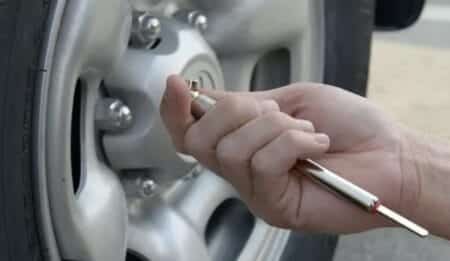
    1. Tread depth gauge (best, cheap, fast)

    2. Tread wear indicator bars built into the tire (look across grooves)

    3. A quick shop check during rotation/oil service

    When the tread is down to the wear bars, you’re at the legal tread depth limit on most passenger tires: 1.6 mm (2/32”)

    Minimum tread depth vs safe tread depth in Ontario & Quebec

    Here’s the key idea: legal minimum and safe are not the same thing.

    • Legal minimum tread depth: typically 2/32” (1.6 mm)—once you’re at the wear bars, the tire must be replaced. 

    • Safe replacement levels (realworld driving):

      • Winter tires: replace around 6/32” for dependable snow/slush traction

      • All season tires: replace around 4/32” to reduce hydroplaning risk

      • Summer tires: replace around 3/32” for wet safety

    Those “safe” numbers are why two drivers can have the same tread depth and completely different outcomes in heavy rain or slushy intersections.

    When to replace winter tires in Quebec and Ontario

    Winter tires are built with deeper tread and lots of biting edges. But once tread drops, they lose their winter advantage quickly.

    Winter tire tread depth guidelines

    • 10/32”–12/32”: typical when new

    • 6/32”: winter performance begins dropping noticeably

    • 4/32”: not what you want for real winter conditions

    In Quebec, winter tires are required during part of the winter season (typically Dec 1 to Mar 15), so running winter tires with weak tread is a double hit—less safety and more stress. 

    In Ontario, winter tires aren’t mandatory for most passenger vehicles, but the province strongly recommends using four winter tires and keeping them in good condition for cold weather driving. 

    When to replace all season tires

    All season tires work fine—until they don’t. The big issue is water evacuation.

    All season replacement guidelines

    • 6/32”: still decent, but traction is starting to drop

    • 4/32”: wet traction decreases and hydroplaning risk rises

    • 3/32”: noticeably compromised in rain and slush

    If your all seasons are near 4/32”, you’re entering the “this tire will surprise you in bad weather” zone—especially in Ontario/Quebec spring rain and fall slush.


    When to replace summer tires

    Summer tires are awesome in warm weather but can wear faster, and they rely heavily on tread depth for wet control.

    Summer tire replacement guidelines

    • 4/32”: wet grip begins to drop

    • 3/32”: replace soon

    • 2/32” (wear bars): replace immediately (legal limit) 


    Signs you need new tires now

    Even before you measure, these are classic “replace me” tells:

    • Wear bars are close or flush with tread grooves (tread wear indicator) 

    • You’re sliding more in rain / ABS triggers easier

    • Visible cracking/dry rot, bulges, or repeated air loss 

    • You see uneven tire wear (one edge bald, center worn, cupping/scalloping)

    If wear is uneven, replacing the tire is only half the fix—you’ll usually want rotation/alignment checked too.

    Where to buy replacement tires in Ontario & Quebec

    If you’re shopping replacements, don’t shop “legal minimum.” Shop the season and your actual roads (wet highways, slush, potholes, freeze thaw).

    At XYZTires.com, we focus on straightforward value—no tire sale hype, no clearance games—just strong pricing and tire options that match real Ontario/Quebec driving.

    Final thoughts

    If you remember one thing: when to replace tires is really about tire tread depth + the season you’re driving into. Legal minimums exist, but safe tread depth is what keeps you planted in rain, slush, and sudden braking situations. 


  • Proper Tire Storage – Store Your Tires Properly Off Season

    Proper Tire Storage – Store Your Tires Properly Off Season

    Proper Tire Storage : Tips to Extend Their Lifespan

    When it comes to getting the most out of your tires, proper tire storage plays a vital role. You’ve purchased the best all season tires that you’ve been eyeing for a while.  At XYZTires.com, we understand that whether you’re swapping out winter tires for all-season options or storing a set of performance tires for the track, keeping them in the right conditions ensures they last longer and perform better. In this guide, we’ll break down the best tire storage techniques, including ideal temperature ranges, proper positioning, and how to prevent damage over time.

    Why Proper Tire Storage Matters

    Tires are built to handle tough road conditions and climate, but improper storage can significantly shorten their lifespan. Whether it’s winter tires in the summer or all season tires in the winter, there’s a better way.  Storing tires incorrectly can lead to sidewall cracks, rubber degradation, and even flat spots. By following the right methods, you can keep your tires in top condition until it’s time to use them again.

    How Temperature Affects Tire Storage

    One of the most critical factors in tire storage is temperature. Tires should be stored in a cool, dry location, away from direct sunlight. Extreme heat can cause the rubber to break down, while cold temperatures can make it brittle.

    • Ideal storage temperature: Between 50°F and 77°F (10°C to 25°C)
    • Avoid outdoor storage: Exposure to fluctuating temperatures, rain, and UV rays can degrade rubber.
    • Humidity matters: A dry storage area prevents moisture buildup, which can lead to mold and rubber deterioration.

    Winter tires stacked on floor is not tire storage.  May be the best all season tires, but still stored incorrectly.

    Proper Tire Positioning: Stack, Stand, or Hang?

    The way you store your winter tires or all season tires depends on whether they are mounted on rims or not.

    For tires without rims:

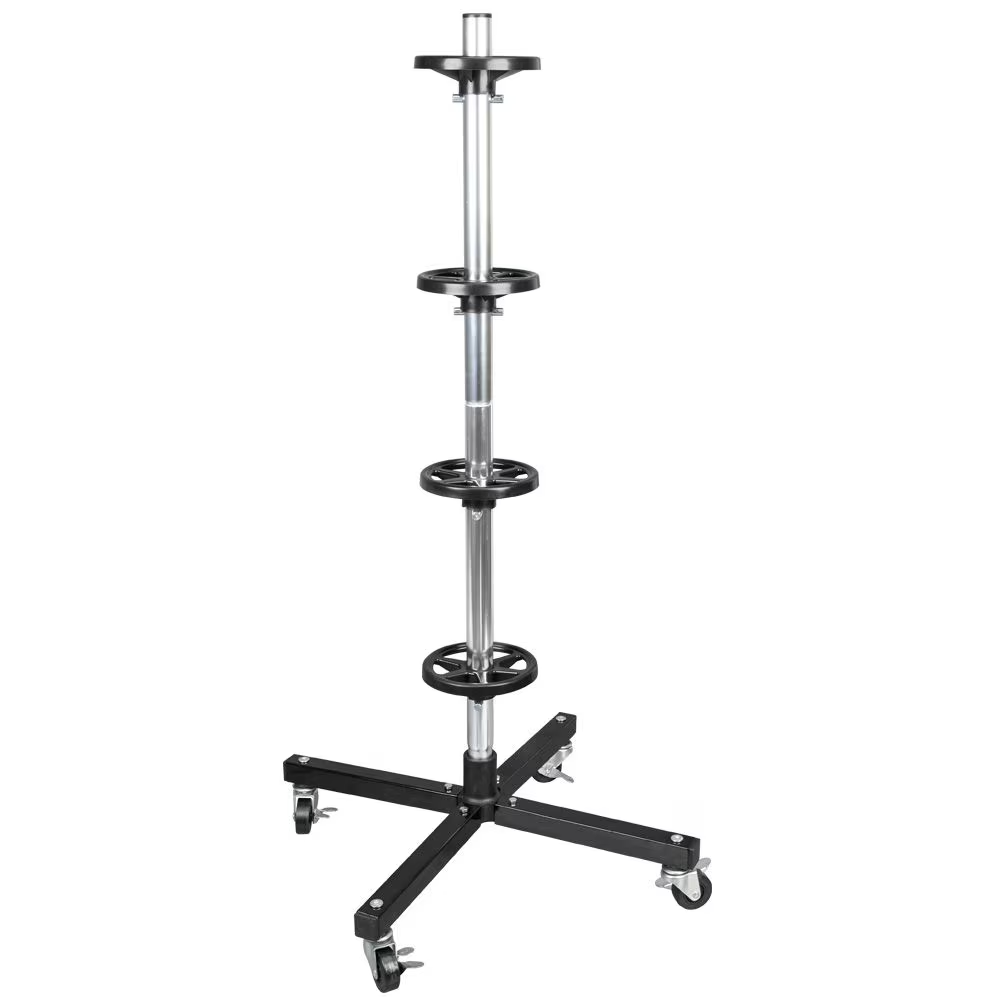
    • Store them upright (standing position) to maintain their shape.
    • Rotate them every few months to prevent flat spots.
    • Avoid stacking, as it can lead to uneven pressure on the bottom tires.

    For tires with rims:

    • Stack them horizontally in a pile to distribute weight evenly.
    • Avoid standing them upright, as it can lead to rim stress.
    • Consider hanging them on wall hooks if space is limited.

    Protecting Tires from Environmental Damage

    Besides temperature and positioning, additional precautions can help extend tire life:

    • Keep tires off the ground: Use a pallet or shelf to prevent contact with damp surfaces.
    • Avoid exposure to chemicals: Keep tires away from gasoline, oil, and solvents.
    • Use airtight tire bags: Specialized tire storage bags help reduce oxygen exposure and slow down rubber aging.

    How Long Can You Store Tires?

    Even with the best storage conditions, tires have a shelf life.  Regardless of what type of tires, winter tires, all season, summer, or anything else, they degrade when stored improperly.  Most manufacturers recommend replacing unused tires after six years, even if they appear in good condition. Always check the tire’s DOT code to determine its production date.

    Final Instructions for Proper Tire Storage

    To keep your tires in the best possible condition during storage:

    • Store them in a cool, dry, and dark location.
    • Keep them upright if they are not mounted, or stack them if they have rims.
    • Check tire pressure before reinstalling them.
    • Inspect for cracks or damage before using stored tires.

    At XYZTires.com, we provide high-quality tires at the lowest price, always. Whether you’re looking for all-season, winter, or performance tires, we have what you need. Take care of your tires, and they’ll take care of you on the road!

preloader