
Wheel Alignment: How Proper Alignment Improves Handling and Prevents Tire Wear
Proper wheel alignment is critical for maintaining vehicle performance, safety, and tire longevity. Misalignment can lead to uneven tire wear, compromised handling, and increased fuel consumption. This article looks into the significance of wheel alignment, exploring its impact on vehicle handling and tire wear, while also addressing common signs of misalignment and the benefits of regular alignment checks. By understanding these aspects, vehicle owners can make informed decisions to enhance their driving experience and prolong the life of their tires.
What Are the Key Signs of Bad Wheel Alignment?
Identifying the signs of bad wheel alignment is essential for maintaining vehicle safety and performance. Misalignment can manifest in various ways, and recognizing these symptoms early can prevent further damage and costly repairs.
How Does Vehicle Pulling Indicate Misalignment?
One of the most noticeable signs of misalignment is when a vehicle pulls to one side while driving. This pulling can occur due to uneven angles of the wheels, causing the vehicle to drift. Ignoring this symptom can lead to increased tire wear and reduced control over the vehicle, making it crucial to address the issue promptly.
The importance of detecting specific alignment issues, such as toe angle misalignment, is highlighted by ongoing efforts to develop real-time detection systems for enhanced driving stability.
Real-time Detection of Toe Angle Misalignment for Stable Driving
Wheel alignment of a vehicle composed of toe, camber and caster is essential for stable driving. Among them, the toe angle can be easily adjusted in many commercial vehicles when misaligned. However, there have been many difficulties for a driver to directly detect the misalignment of the toe angle. To solve this problem, this paper proposes a novel system that detects misaligned toe angle in real-time by utilizing the lateral tire force and tire aligning moment.
Online Detection of Toe Angle Misalignment Based on Lateral Tire Force and Tire Aligning Moment, H Lee, 2023
What Does Steering Wheel Vibration Reveal About Alignment?
Steering wheel vibration is another indicator of potential alignment issues. If the steering wheel shakes or vibrates while driving, it may suggest that the wheels are not aligned correctly. This vibration can be caused by uneven tire wear, unbalanced tires, or misaligned suspension components, all of which can compromise vehicle safety and handling.
How Does Wheel Alignment Affect Vehicle Handling and Safety?
Proper wheel alignment plays a significant role in enhancing vehicle handling and safety. When the wheels are aligned correctly, the vehicle responds better to steering inputs, providing a smoother and more controlled driving experience.
In What Ways Does Proper Alignment Improve Steering Response?
Correct alignment ensures that the wheels are positioned at the optimal angles, which improves steering response. This precision allows for better handling during turns and enhances overall driving confidence. A well-aligned vehicle will feel more stable and predictable, especially at higher speeds.
Research further emphasizes how specific alignment parameters, like camber and toe, are crucial for optimizing a vehicle’s handling characteristics.
Camber & Toe Influence on Vehicle Handling
All wheel alignment angles and parameters are thus needed to be optimized [12] alignment of the car it is difficult to adjust castor or SAI hence we concentrated only on camber and toe
To study the influence of variation in camber and toe on handling of passenger vehicle during cornering, S Palanivelu, 2019
How Does Alignment Contribute to Overall Vehicle Stability and Safety?
Alignment also contributes to overall vehicle stability and safety. When the wheels are aligned, the vehicle maintains better contact with the road, reducing the risk of skidding or losing control. This stability is particularly important in adverse weather conditions, where proper handling can help prevent accidents.
What Are the Causes and Patterns of Uneven Tire Wear Due to Misalignment?
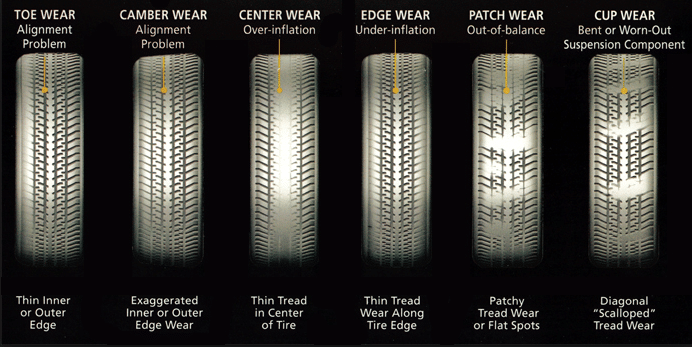
Understanding the causes and patterns of uneven tire wear is essential for addressing alignment issues effectively. Misalignment can lead to specific wear patterns on tires, indicating the need for immediate attention.
Which Tire Wear Patterns Signal Poor Wheel Alignment?
Common tire wear patterns associated with misalignment include excessive wear on one edge of the tire and feathering. Cupping and scalloping are typically caused by issues with suspension components rather than alignment alone. These patterns can significantly reduce tire lifespan and performance. Regular inspections can help identify these issues early, allowing for timely alignment adjustments.
How Do Suspension and Steering Systems Influence Tire Wear?
The suspension and steering systems play a critical role in maintaining proper alignment. Worn or damaged components can lead to misalignment, resulting in uneven tire wear. Regular maintenance of these systems is essential to ensure that the vehicle remains aligned and that tires wear evenly.
What Are the Benefits of Proper Wheel Alignment Beyond Tire Wear?
Maintaining proper wheel alignment offers several benefits beyond just preventing tire wear. These advantages can enhance overall vehicle performance and reduce long-term costs.
How Does Alignment Improve Fuel Efficiency and Reduce Costs?
Proper alignment can lead to improved fuel efficiency. When the wheels are aligned correctly, the vehicle experiences less rolling resistance, which can result in better gas mileage. This efficiency not only saves money at the pump but also reduces the overall environmental impact of driving.
Beyond immediate performance, studies consistently show that proper wheel alignment offers significant long-term financial benefits, including reduced tire expenditure and improved fuel economy.
Benefits of Wheel Alignment: Tire Savings & Fuel Efficiency
the importance and benefits of wheel alignment and wheel balancing but also wheel alignment and wheel balancing, there will be a huge saving in tire expenditure, fuel efficiency, and
Automobile Wheel Alignment and Wheel Balancing, 2025
In What Ways Does Wheel Alignment Extend Suspension and Steering Component Life?
Regular alignment checks can extend the life of suspension and steering components. When these systems are properly aligned, they experience less stress and wear, leading to fewer repairs and replacements over time. This proactive approach can save vehicle owners significant costs in the long run.
When and Why Should You Schedule a Wheel Alignment?
Scheduling regular car alignment is important for maintaining vehicle performance and safety. Knowing when to schedule these checks can help prevent alignment-related issues. Always be on the lookout for unusual tire wear patterns, these will affect your car alignment.
What Are Common Triggers for Alignment Checks?
Several factors can trigger the need for an alignment check, including hitting a pothole, getting new tires, or noticing changes in vehicle handling. Regular inspections, especially after significant driving events, can help ensure that alignment remains optimal. All of these are the result of tire wear patterns and noticing how to spot them could save you.
How Often Should Wheel Alignment Be Performed?
It is generally recommended to have a wheel alignment performed every 20,000 to 30,000 kilometers or whenever new tires are installed. However, vehicles that frequently encounter rough roads or heavy loads may require more frequent checks to maintain proper alignment.
How Does Car Alignment Impact Advanced Driver-Assistance Systems?
With the rise of advanced driver-assistance systems (ADAS), proper wheel alignment has become even more critical. These systems rely on precise vehicle positioning to function effectively.
Why Is Precise Alignment Critical for ADAS Calibration?
Precise wheel alignment is essential for the calibration of ADAS features, such as lane departure warnings and adaptive cruise control. Misalignment can lead to inaccurate sensor readings, compromising the effectiveness of these safety systems.
What Are the Latest Trends in Alignment Equipment for Modern Vehicles?
Modern alignment equipment has evolved to accommodate the complexities of today’s vehicles, including those equipped with ADAS. Advanced alignment systems utilize laser technology and computer diagnostics to ensure accurate measurements and adjustments, enhancing the overall alignment process.
| Alignment Type | Description | Benefits |
|---|---|---|
| Camber Adjustment | Adjusts the angle of the wheels relative to the road | Improves tire contact and handling |
| Toe Alignment | Ensures wheels are parallel to each other | Enhances steering response and stability |
| Caster Adjustment | Affects steering wheel return and stability | Improves vehicle control and handling |
This table highlights the different types of wheel alignment adjustments and their respective benefits, emphasizing the importance of maintaining proper alignment for optimal vehicle performance.
In conclusion, understanding the importance of wheel alignment is essential for every vehicle owner. By recognizing the signs of misalignment, scheduling regular checks, and appreciating the benefits of proper alignment, drivers can enhance their vehicle’s handling, safety, and tire longevity. Investing in wheel alignment not only improves driving experience but also contributes to long-term cost savings and vehicle performance.
