When to Replace Tires: Tire Tread Depth for Winter, All Season & Summer

Understanding Tire Tread: When to Replace Tires in Ontario & Quebec and Why It Matters
Knowing when to replace tires isn’t just a “maintenance” thing—it’s a safety decision that affects braking, hydroplaning resistance, and cold weather grip. In Ontario and Quebec, your tires deal with big temperature swings, slush, wet highways, and freeze thaw cycles—exactly the conditions where worn tire tread depth becomes a real problem fast.
At XYZTires.com, we always tell drivers the same thing: don’t wait until the tire is “technically legal.” The goal is safe tread depth for the season you’re driving in.
Why knowing when to replace tires matters
When your tread gets low, your tire can’t move water and slush the way it should. That increases:
Hydroplaning risk in rain and highway spray
Longer braking distance, especially on wet roads
Reduced wet traction and snow grip
More noise/vibration (and sometimes uneven tire wear gets worse)
The tire can look “fine,” but the tread might already be past its best before point for your climate.
Tire tread depth 101: what it is and how it’s measured
Tire tread depth is measured in 32nds of an inch (or millimetres). Many new passenger tires start around 10/32”–12/32” depending on type and brand.
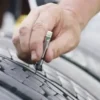
How to check tire tread (3 reliable ways)
Tread depth gauge (best, cheap, fast)
Tread wear indicator bars built into the tire (look across grooves)
A quick shop check during rotation/oil service
When the tread is down to the wear bars, you’re at the legal tread depth limit on most passenger tires: 1.6 mm (2/32”).
Minimum tread depth vs safe tread depth in Ontario & Quebec
Here’s the key idea: legal minimum and safe are not the same thing.
Legal minimum tread depth: typically 2/32” (1.6 mm)—once you’re at the wear bars, the tire must be replaced.
Safe replacement levels (realworld driving):
Winter tires: replace around 6/32” for dependable snow/slush traction
All season tires: replace around 4/32” to reduce hydroplaning risk
Summer tires: replace around 3/32” for wet safety
Those “safe” numbers are why two drivers can have the same tread depth and completely different outcomes in heavy rain or slushy intersections.
When to replace winter tires in Quebec and Ontario
Winter tires are built with deeper tread and lots of biting edges. But once tread drops, they lose their winter advantage quickly.
Winter tire tread depth guidelines
10/32”–12/32”: typical when new
6/32”: winter performance begins dropping noticeably
4/32”: not what you want for real winter conditions
In Quebec, winter tires are required during part of the winter season (typically Dec 1 to Mar 15), so running winter tires with weak tread is a double hit—less safety and more stress.
In Ontario, winter tires aren’t mandatory for most passenger vehicles, but the province strongly recommends using four winter tires and keeping them in good condition for cold weather driving.
When to replace all season tires
All season tires work fine—until they don’t. The big issue is water evacuation.
All season replacement guidelines
6/32”: still decent, but traction is starting to drop
4/32”: wet traction decreases and hydroplaning risk rises
3/32”: noticeably compromised in rain and slush
If your all seasons are near 4/32”, you’re entering the “this tire will surprise you in bad weather” zone—especially in Ontario/Quebec spring rain and fall slush.
When to replace summer tires
Summer tires are awesome in warm weather but can wear faster, and they rely heavily on tread depth for wet control.
Summer tire replacement guidelines
4/32”: wet grip begins to drop
3/32”: replace soon
2/32” (wear bars): replace immediately (legal limit)
Signs you need new tires now
Even before you measure, these are classic “replace me” tells:
Wear bars are close or flush with tread grooves (tread wear indicator)
You’re sliding more in rain / ABS triggers easier
Visible cracking/dry rot, bulges, or repeated air loss
You see uneven tire wear (one edge bald, center worn, cupping/scalloping)
If wear is uneven, replacing the tire is only half the fix—you’ll usually want rotation/alignment checked too.
Where to buy replacement tires in Ontario & Quebec
If you’re shopping replacements, don’t shop “legal minimum.” Shop the season and your actual roads (wet highways, slush, potholes, freeze thaw).
At XYZTires.com, we focus on straightforward value—no tire sale hype, no clearance games—just strong pricing and tire options that match real Ontario/Quebec driving.
Final thoughts
If you remember one thing: when to replace tires is really about tire tread depth + the season you’re driving into. Legal minimums exist, but safe tread depth is what keeps you planted in rain, slush, and sudden braking situations.